
This document introduces green plastics, also known as bioplastics, based on insights from the literature. It covers what bioplastics are, why they matter, their benefits and challenges, and what the future holds.
- What Are Green Plastics?
Green plastics are a new type of biodegradable plastic made mostly or entirely from renewable materials. Unlike regular plastics, which come from fossil fuels, bioplastics aim to:
- Save nonrenewable resources
- Reduce waste problems
- Prepare for a future with fewer fossil fuels
The term bioplastics highlights both their renewable origin and their ability to break down naturally.
- Why Bioplastics Matter
Environmental Concerns Several issues drive the push for bioplastics:
- Resource Use: Most plastics are made from petroleum, natural gas, and coal—nonrenewable resources. Though plastics use only a small share of these fuels, their large-scale production speeds up resource depletion.
- Plastic Waste: In the U.S., over 60 billion pounds of plastic are thrown away each year. Plastics make up:
- 10% of the weight and
- 18% of the volume of municipal solid waste (MSW)
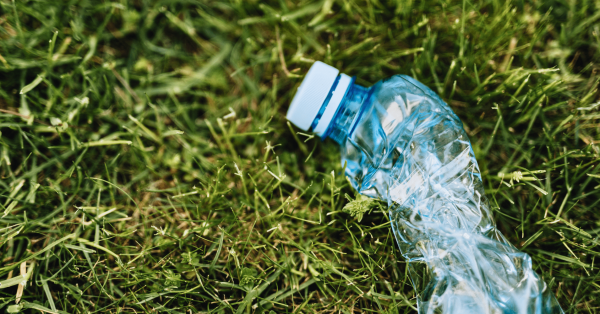
Plastic litter harms wildlife and spoils natural landscapes.
- Waste Management Limits:
- Many plastics can’t be reused due to contamination or single-use design (e.g., diapers, farm covers).
- Recycling is tough due to sorting issues, mixed materials, and weakened quality.
- Incineration wastes material and landfills take up space and can leak toxins or produce methane.
- Slow Breakdown: Most plastics resist decay, staying in the environment for years. This makes composting and other eco-friendly disposal methods hard.
- Benefits of Bioplastics
Renewable Sources Bioplastics come from plants, animals, and microbes. Common sources include:
- Starch
- Cellulose
- Proteins (soy, gelatin, casein)
- Bacterial polyesters (PHAs)
This reduces reliance on fossil fuels. Cleaner Production Bioplastics are often made using:
- Water-based processes
- Fewer toxic chemicals
- Lower temperatures and pressures
They also avoid harmful additives like phthalates found in some regular plastics. Biodegradability Bioplastics break down into safe substances like carbon dioxide, water, and biomass. This makes them ideal for:
- Compost bags
- Farm mulch covers
- Plant root wrappings
Some can be safely burned or recycled into their original building blocks.
- Challenges Facing Bioplastics
Despite their promise, bioplastics face hurdles: Cost Most bioplastics are more expensive than regular plastics. Only starch competes on price. Scaling up production is key to lowering costs. Performance Issues
- Some bioplastics absorb water, making them weak or soluble.
- Others can’t be molded with heat, limiting how they’re shaped.
- Getting the right strength and flexibility is tricky.
- They can degrade too soon if exposed to microbes during storage.
Market and Investment Bioplastics need major investment to compete with the well-established plastics industry.
- Types of Bioplastics
Bioplastics fall into three main categories:
- Extracted Natural Polymers
- Starch: Cheap and moldable; used in packaging and foam products.
- Cellulose, Chitin, Carrageenan, Pectin, Alginate: Used in films, fibers, and composites.
- Proteins:
- Soy and starch blends are moldable.
- Zein makes strong, washable films.
- Gelatin is used in medicine and skin substitutes.
- Fermentation-Based Plastics
- PHAs (Polyalkanoates): Made by microbes; similar to regular plastics and biodegradable.
- Pullulan: Made by yeast; strong and elastic, great for food packaging.
- Polymerized Natural Monomers
- PLA (Polylactic Acid): Made from lactic acid; used in mulch films, compost bags, bottles, and medical products.
- Triglyceride Polymers: Oils from plants and animals can be turned into tough, fiber-reinforced plastics.
- Looking Ahead
Tech Innovations Research is advancing in the following areas:
- Biorefineries to turn biomass into useful chemicals
- Genetic engineering to improve biopolymer production
- Enzyme-based processes for cleaner manufacturing
- Better formulations for strength and water resistance
Environmental Awareness More people and organizations are embracing sustainable technologies. The idea of “cradle-to-cradle” design—where products return safely to nature—is gaining ground. Government Support Governments are helping through:
- Laws banning plastic dumping and requiring degradable materials
- Eco-labels to guide consumers
- Policies like the U.S. Biomass Research and Development Act
Private Sector Action Companies are going beyond compliance to focus on:
- Waste reduction
- Pollution prevention
- Sustainable development
Programs like Responsible Care and ISO 14000 promote environmental responsibility. Partnerships like Cargill-Dow Polymers LLC show growing interest in merging agriculture and chemistry. Conclusion Bioplastics are not a one-size-fits-all solution, but they offer a promising path forward. With continued innovation, investment, and public support, they could play a major role in shaping a more sustainable future. At Flaney Associates, we empower industries to build a future where environmental sustainability is the foundation, not an afterthought. Learn more at FlaneyAssociates.com.
For more information or if you have any questions, please contact the author.