Unlocking the Healing Power of Cassava Leaves: Simple Extraction Methods for Everyday Wellness
The buildings we live and work in are often silent contributors to climate change. Traditional construction materials like concrete and steel release large amounts of carbon dioxide (CO₂) during production. In fact, the construction sector is responsible for nearly 40% of global CO₂ emissions (Architecture 2030, 2024).
But what if our buildings could help reverse that impact?
Today, a new wave of materials is reshaping the industry—carbon-storing building materials that absorb and lock away CO₂ instead of releasing it. These innovative substances transform homes, offices, and public buildings into active participants in the fight against climate change.
Building for the Future: Carbon-Storing Materials that Fight Climate Change
The buildings we live and work in are often silent contributors to climate change. Traditional construction materials like concrete and steel release large amounts of carbon dioxide (CO₂) during production. In fact, the construction sector is responsible for nearly 40% of global CO₂ emissions (Architecture 2030, 2024).
But what if our buildings could help reverse that impact?
Today, a new wave of materials is reshaping the industry—carbon-storing building materials that absorb and lock away CO₂ instead of releasing it. These innovative substances transform homes, offices, and public buildings into active participants in the fight against climate change.
Redefining Plastic Waste with Cleaner and More Sustainable Solutions
The buildings we live and work in are often silent contributors to climate change. Traditional construction materials like concrete and steel release large amounts of carbon dioxide (CO₂) during production. In fact, the construction sector is responsible for nearly 40% of global CO₂ emissions (Architecture 2030, 2024).
But what if our buildings could help reverse that impact?
Today, a new wave of materials is reshaping the industry—carbon-storing building materials that absorb and lock away CO₂ instead of releasing it. These innovative substances transform homes, offices, and public buildings into active participants in the fight against climate change.
How Smart Materials Mean Smarter Sustainability
Smart materials enable products to adapt, heal, and biodegrade—advancing sustainability by reducing long-term waste.
Sustainable Solutions: Materials for a Greener Tomorrow
Explore how sustainable materials are transforming industries, reducing waste, and reshaping our relationship with the planet for a greener future.
Building the Future: Innovations in Construction Materials
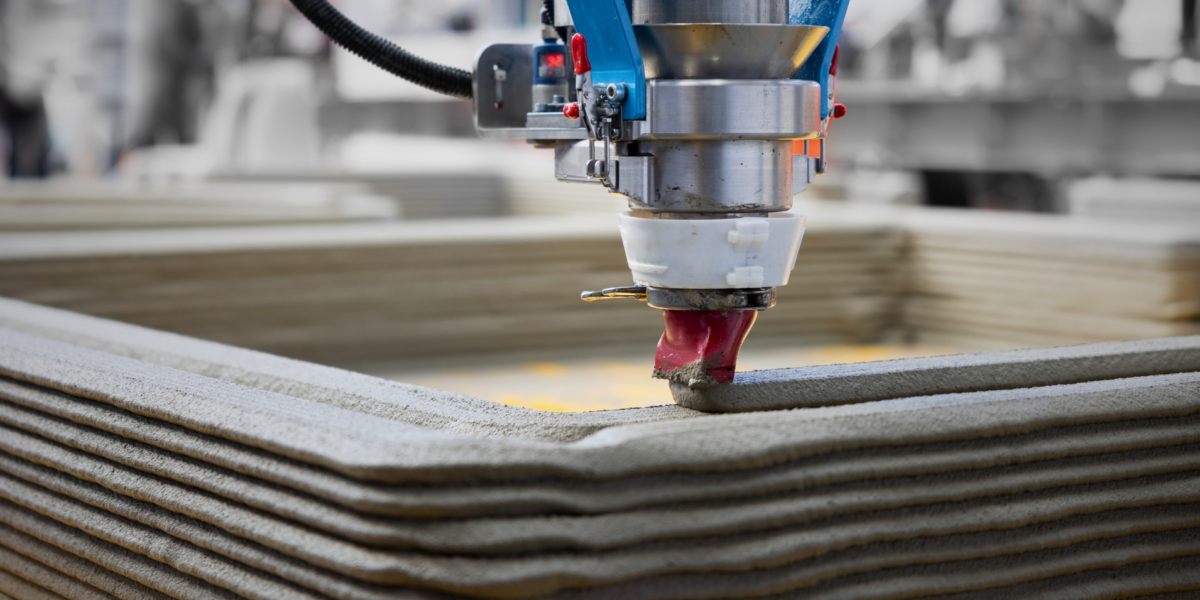
The construction industry is evolving with breakthrough materials that are changing how we build—and how buildings perform. Over the past three years, technologies like carbon-storing concrete, self-healing materials, 3D-printed composites, transparent wood, and phase-change insulation have emerged, making structures stronger, more energy-efficient, and resilient to climate extremes.
These innovations are not only improving building performance but also reducing environmental impact and opening the door to smarter, more adaptive infrastructure.
How AI is Transforming Scientific Research
The Future of Medicine: How Biomaterials Are Transforming Healthcare
Medicine is evolving at an incredible pace, and biomaterials—innovative materials designed for medical use—are at the forefront of this transformation. New breakthroughs are improving biocompatibility, durability, and functionality, leading to better patient outcomes and redefining what’s possible in healthcare.