
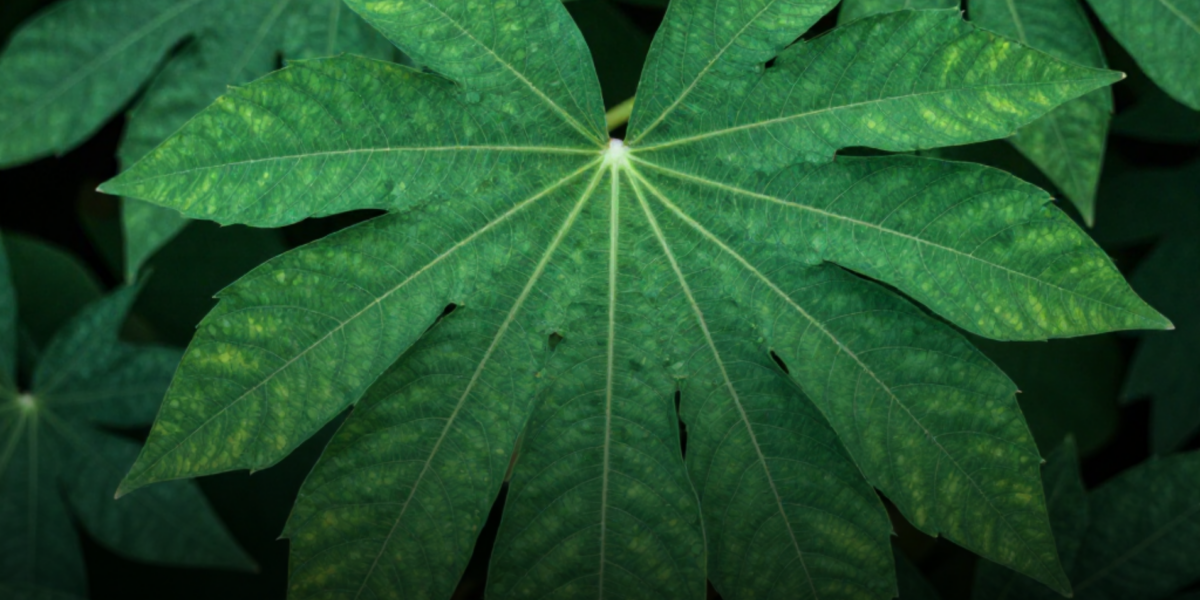
Medicinal products can be extracted from cassava leaves using simple methods that are accessible to nontechnical audiences. These extracts are rich in bioactive compounds with anti-inflammatory, antioxidant, and wound-healing effects, making cassava leaves an important resource for traditional and modern medicine [1][2][3]. This article details the simple process in accessible language and guides you through understanding and extracting medicinal products from cassava leaves. What Are Cassava Leaves? Cassava leaves come from the cassava plant (Manihot esculenta), widely known for its starchy roots but also valued for its nutrient-packed foliage [4]. These leaves are commonly used as a green vegetable in many cultures and have a long history of use in folk medicine for treating ailments such as inflammation, skin conditions, and digestive problems [5]. Scientists have confirmed these benefits, noting that the leaves are rich in vitamins (C, A), flavonoids, and other powerful antioxidants [1][3]. Why Use Cassava Leaf Extracts? Medicinal products extracted from cassava leaves have a wide array of proven benefits: Anti-inflammatory effects: Cassava leaf extracts can reduce redness and swelling in the skin and provide relief from pain and fever [1][6]. Antibacterial properties: The extracts help fight certain bacterial infections [7]. Wound healing support: Key compounds from cassava leaves encourage collagen production and aid skin repair [3]. Source of nutritious protein: Protein concentrates extracted from cassava leaves can supplement diets, especially where animal protein is scarce [8]. These properties make cassava leaf extracts suitable for creams, ointments, teas, and supplements, addressing various health challenges in resource-limited communities [1][2][8]. Main Compounds Found in Cassava Leaves The healing abilities of cassava leaf extracts come from several groups of compounds: Flavonoids (like rutin): Plant-based antioxidants that combat inflammation and promote skin health [2][3]. Terpenoids, tannins, carotenoids: Natural substances with antimicrobial, anti-inflammatory, and antioxidant activities [1]. Vitamins C and A: Essential for immune function, wound healing, and skin health[3]. Proteins: Valuable for nutrition and supporting tissue repair [8]. Each is important for medicinal uses, with flavonoids being among the most studied due to their abundance in cassava leaves [2]. How To Prepare Cassava Leaves for Extraction Extracting medicinal compounds from cassava leaves does not require sophisticated lab equipment. Here is an accessible, proven approach:
- Harvesting: Pick fresh, healthy cassava leaves. Wash them thoroughly to remove dirt and debris [2].
- Drying: Spread leaves thinly in the shade and let dry naturally until crisp (this preserves nutrients) [2].
- Grinding: Once dry, crush or grind leaves into powder using a mortar and pestle or blender [2].
This powder serves as the starting material for various extraction methods. Extracting Medicinal Products: Step-by-Step Methods Water Boiling Method This classic method makes a simple “cassava leaf tea” that can be used for soothing skin or as a drink for general health: – Add 2.5g powdered leaves to 25–75ml boiling water (solid-liquid ratios between 1:10 and 1:30). – Simmer for 15–60 minutes. The longer the boiling, the stronger the extraction [2]. – Let cool, then strain out leaf solids. – Use the liquid as a topical rinse, add to creams, or drink in moderate amounts. Ethanol Maceration (Cold Extraction) This method pulls out more concentrated flavonoids and is common for medicinal tinctures: – Mix 2.5g leaf powder in 50ml ethanol (alcohol content about 40–60%), shake well, and seal. – Leave at room temperature, away from light, for 4–24 hours (“maceration”) [2]. – Strain or filter, collecting the liquid extract in a clean bottle. – Alcohol-based extracts have longer shelf-life and can be diluted for topical application. Modern Approaches: Ultrasound or Microwave Extraction – These methods are faster and highly efficient but require specialized devices. – They significantly speed up extraction, producing concentrated solutions in 5–90 minutes [2]. – Most nontechnical users should stick to boiling and maceration for safety and accessibility. Purifying and Using Cassava Leaf Extracts After extraction, it may be may be necessary to purify the product: Cooling/Chilling: Some studies suggest cooling the liquid in a fridge or freezer overnight helps separate impurities [2]. Filtering: Using simple cloth or paper filters improves clarity; centrifuging yields an even purer product, but this is optional [2]. These extracts can be applied directly to the skin, mixed into creams, or ingested in small amounts for internal health. Always use in moderation and consult local herbalists or qualified health professionals when trying new medicinal remedies. How Safe Are Cassava Leaf Extracts? Cassava leaves are generally safe when properly processed. However, note that: – Raw leaves contain cyanogenic glycosides (plant toxins), but thorough drying, boiling, or soaking removes most risks [9]. – Avoid excessive consumption, especially of unprocessed or undercooked leaves. – For topical products, test on a small patch of skin before wider use to avoid allergies. When in doubt, opt for extracts made using well-established boiling or maceration techniques, and steer clear of raw or untested products. Key medicinal compounds in Cassava Leaves Cassava leaves are packed with several important medicinal compounds that offer significant health benefits. The main bioactive compounds include: Flavonoids (such as rutin, apigenin, and kaempferol): These are antioxidants that help protect cells from damage, reduce inflammation, and support skin healing [4][11][12]. Phenolic acids (like gallic acid, syringic acid, hydroxybenzoic acid): These compounds have potent antioxidant and anti-inflammatory properties, supporting general health and immune function [4][11]. Terpenoids and tannins: These provide further antimicrobial, anti-inflammatory, and antioxidant activities [11][12]. Carotenoids (such as beta-carotene and lutein): Known for their role as antioxidants and precursors to vitamin A, these compounds are vital for eye health, immunity, and protecting against cell damage [4][5]. Vitamins and minerals: Cassava leaves are a good source of vitamins A, C, and E, as well as important minerals like calcium and iron, all of which support immune health and overall well-being [9][13]. Protein and essential amino acids: Unlike most leafy greens, cassava leaves provide a notable amount of protein, making them nutritionally valuable[4]. These compounds make cassava leaves a promising natural source for anti-inflammatory, antioxidant, antibacterial, and wound-healing benefits when properly processed [1][14]. Practical Uses and Typical Products Cassava leaf extracts can be turned into the following products: Soothing creams and ointments: For rashes, redness, and skin irritation [6][3]. Nutritional supplements: Protein-rich powders or teas for dietary enhancement [8]. Herbal teas and tonics: For general wellness, immune support, and minor digestive issues [9]. Wound salves: Apply directly or add to healing balms for minor cuts and abrasions [1]. Always label homemade extracts with the preparation date and use within a few weeks unless professionally preserved. Summary: Unlocking the Healing Potential of Cassava Leaves Cassava leaves—often overshadowed by their roots—are a remarkable, accessible source of medicinal compounds [1][2][3]. Properly prepared extracts offer safe and effective relief for a range of health concerns, from inflammation and skin issues to supplemental nutrition [3][8]. Using straightforward boiling or maceration extraction methods, anyone can harness these benefits at home. With a mindful approach to safe preparation, cassava leaf extracts stand as a model of nature-powered medicine for communities around the world [1][2][3]. References [1] Cassava (Manihot esculenta Crantz): A Systematic Review for the … https://pmc.ncbi.nlm.nih.gov/articles/PMC10571719/ [2] The influence of extraction methods on rutin yield of cassava leaves … https://pmc.ncbi.nlm.nih.gov/articles/PMC7679431/ [3] Cassava Plant: Unlocking Its Nutritional and Skincare Benefits https://www.clinikally.com/blogs/news/cassava-plant-unlocking-its-nutritional-and-skincare-benefits?srsltid=AfmBOopkL0mMNtybQGJC4emKidcK8hYKn0X6w7sEb7Q2JBlYGTZbFmxP [4] Nutrition, Healthcare Benefits and Phytochemical Properties of … – NIH https://pmc.ncbi.nlm.nih.gov/articles/PMC9315608/ [5] 3 Versatile uses of cassava leaves https://niyis.co.uk/blogs/wellness/3-versatile-uses-of-cassava-leaves [6] 11 Great Industrial Uses Of Cassava You Didn’t Know Of https://aclasses.org/industrial-uses-of-cassava/ [7] Antibacterial Activity Test of Extracts and Fractions of Cassava … https://onlinelibrary.wiley.com/doi/10.1155/2020/1975904 [8] Production of leaf protein concentrates from cassava https://www.sciencedirect.com/science/article/pii/S0959652622043025 [9] Cassava: Nutrients, Benefits, Downsides, Uses – Healthline https://www.healthline.com/nutrition/cassava [10] The influence of extraction methods on rutin yield of cassava leaves … https://www.sciencedirect.com/science/article/pii/S1319016420302188 [11] Cassava (Manihot esculenta Crantz): A Systematic Review for the … https://pmc.ncbi.nlm.nih.gov/articles/PMC10571719/ [12] Cassava (Manihot esculenta Crantz)—A potential source of … https://onlinelibrary.wiley.com/doi/full/10.1002/efd2.127 [13] Cassava leaves: nutrient-rich food with health benefits – Facebook https://www.facebook.com/groups/635257383833274/posts/1453229058702765/ [14] Cassava Leaf Antimicrobial Properties – Consensus https://consensus.app/search/cassava-leaf-antimicrobial-properties/joG14dfISM-PP_WsJ4dZKg/
For more information or if you have any questions, please contact the author.