
Building the Future: Innovations in Construction Materials
The construction industry is undergoing a quiet revolution. While cranes, concrete, and steel still dominate the skyline, behind the scenes, new materials are reshaping how we build—making structures stronger, more sustainable, and better equipped to handle the challenges of a changing climate. Over the past three years, researchers and engineers have developed cutting-edge materials that not only improve performance but also reduce environmental impact. Let’s explore some of the most exciting innovations that are helping shape the future of construction.
Carbon-Storing Concrete: Turning Buildings into Climate Solutions
Concrete is the most widely used building material in the world, but it’s also one of the biggest contributors to global CO₂ emissions. Fortunately, recent advancements are flipping the script by turning concrete into a carbon sink rather than a carbon source.
In the past three years, scientists have developed concrete mixes that use carbonated aggregates and biochar, materials capable of absorbing and storing CO₂. These innovations allow buildings to lock away carbon during their lifetime, making them part of the climate solution rather than the problem.
In fact, a 2024 study showed that using carbon-storing concrete in just 10% of global construction could absorb up to a gigaton of CO₂ annually. These technologies are especially promising because they integrate into existing construction processes and rely on low-cost waste materials like biomass, making them both scalable and economically viable.
Self-Healing Materials: Buildings That Repair Themselves
Imagine a building that can fix its own cracks before they become serious structural issues. This idea is quickly becoming a reality with the rise of self-healing materials, particularly in concrete and coatings.
One breakthrough involves microencapsulated healing agents—tiny capsules embedded in construction materials that release a healing compound when cracks form. These agents react with moisture or air to form new bonds, automatically sealing small fractures before they worsen.
Another 2023 innovation involves bacteria-based self-healing concrete, where specially selected microbes embedded in the mix activate when exposed to water and produce calcite to seal the cracks. These self-repairing materials not only extend the lifespan of structures but also reduce maintenance costs and resource consumption over time.
3D-Printed Building Materials: Customization at Scale
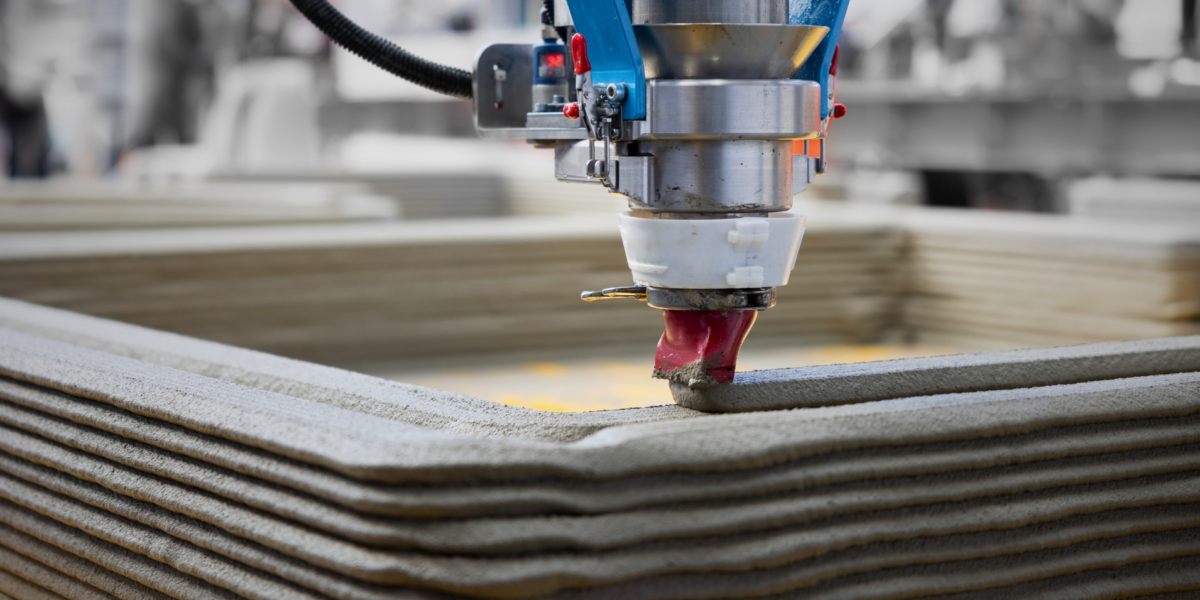
3D printing in construction has come a long way, and recent years have seen major progress in printable construction materials. Unlike early systems that relied heavily on cement-based mixes, newer innovations are using eco-friendly composites, including geopolymers and recycled materials, to create more sustainable building options.
These new materials are stronger, lighter, and more adaptable than ever before, allowing for rapid construction of custom-designed structures with minimal waste. In some cases, entire homes have been printed on-site using robotic arms and specialized, quick-setting concrete blends. This technology is proving especially valuable for affordable housing projects and disaster relief shelters, where speed and efficiency are critical.
Transparent Wood and Smart Glass Alternatives
Glass has always been a popular material for modern buildings, but it comes with limitations in insulation and impact resistance. Enter transparent wood, a new material that has emerged over the past few years as a viable alternative.
Made by removing the lignin from wood and replacing it with polymers, transparent wood is lightweight, shatter-resistant, and offers better insulation than glass. It can also be produced more sustainably, using fast-growing tree species and low-energy manufacturing methods.
Meanwhile, smart glass technologies have also seen major improvements, allowing windows to dynamically adjust their tint based on sunlight, temperature, or user settings. These technologies reduce heating and cooling costs and increase comfort in both residential and commercial spaces.
Phase-Change Materials: Smarter Thermal Regulation
Extreme weather is becoming more common, and buildings need to adapt. One solution gaining traction is the integration of phase-change materials (PCMs) into walls, floors, and insulation.
PCMs absorb and release heat as they transition between solid and liquid states, acting like thermal batteries. Recent developments have made these materials more stable, cost-effective, and scalable for mainstream construction use.
When used correctly, PCMs can significantly reduce the energy needed for heating and cooling, helping buildings maintain a comfortable interior temperature while reducing reliance on HVAC systems. As energy codes tighten and green building standards rise, PCMs are likely to become a staple in future-ready construction.
The Road Ahead
The construction industry is often seen as slow to change, but the innovations of the past few years tell a different story. From carbon-absorbing concrete and self-healing materials to 3D-printed structures and smart thermal regulation, these technologies are reshaping how we think about buildings—not just as shelters, but as active participants in sustainability and resilience.
As these materials continue to improve and scale, the possibilities are endless: homes that fix themselves, buildings that fight climate change, and cities that adapt to their environments. The future of construction isn’t just about building bigger—it’s about building smarter.
At Flaney Associates, we stay at the forefront of material innovation to help our partners adapt to the changing landscape of construction and sustainability.
For more information or if you have any questions, please contact the author.