
The Future of Medicine: How Biomaterials Are Transforming Healthcare
Medicine is evolving at an incredible pace, and biomaterials—innovative materials designed for medical use—are at the forefront of this transformation. New breakthroughs are improving biocompatibility, durability, and functionality, leading to better patient outcomes and redefining what’s possible in healthcare.
How Biomaterials Are Changing Healthcare?
For decades, materials like titanium, ceramics, and silicone have been used in medical devices. While effective, these materials have limitations—they may trigger immune responses, require additional surgeries for removal, or lack the flexibility to integrate seamlessly with the body.
Recent advances in biomaterials are pushing beyond these limits, introducing smarter, adaptable, and even bio-integrative alternatives. The latest breakthroughs in temporary implants, self-healing hydrogels, 3D-printed scaffolds, and nanotechnology are paving the way for less invasive and more personalized treatments.
Temporary Implants: The End of Permanent Devices?
One of the most promising innovations in biomaterials is temporary implants—medical devices that safely dissolve after they’ve completed their function. Traditional metal implants, such as plates and screws, often require a second surgery for removal, increasing the risk of complications.
New magnesium-based implants introduced in 2022 provide structural support for healing bones but naturally break down over time, eliminating the need for additional procedures. This innovation reduces patient discomfort, recovery time, and healthcare costs.
Additionally, smart dissolvable implants can now monitor healing progress in real-time using wireless technology. These devices send data directly to physicians, ensuring that treatment is adjusted as needed, creating a more personalized approach to patient care.
Imagine a future where every implant adapts to the body’s healing process, serves its purpose, and then disappears without a trace—leaving behind only a fully recovered patient.
Self-Healing Hydrogels: The Future of Tissue Repair
Hydrogels have long been used in medicine for wound dressings and drug delivery, but the newest versions are even more advanced. Self-healing hydrogels, developed between 2021 and 2023, can stretch, reform, and integrate with human tissue in ways never seen before.
A significant breakthrough in 2022 introduced a cartilage-regenerating hydrogel, a material that mimics the structure and flexibility of natural cartilage. Since cartilage has limited natural healing ability, patients with joint injuries often require painful and invasive surgeries. This hydrogel adapts to movement, integrates with surrounding tissue, and accelerates healing.
The implications extend beyond joint replacements. Future applications may include lab-grown organ patches, which could be used to repair damaged heart tissue, lung cells, or even nerves.
3D-Printed Biomaterials: Personalized Medicine on Demand
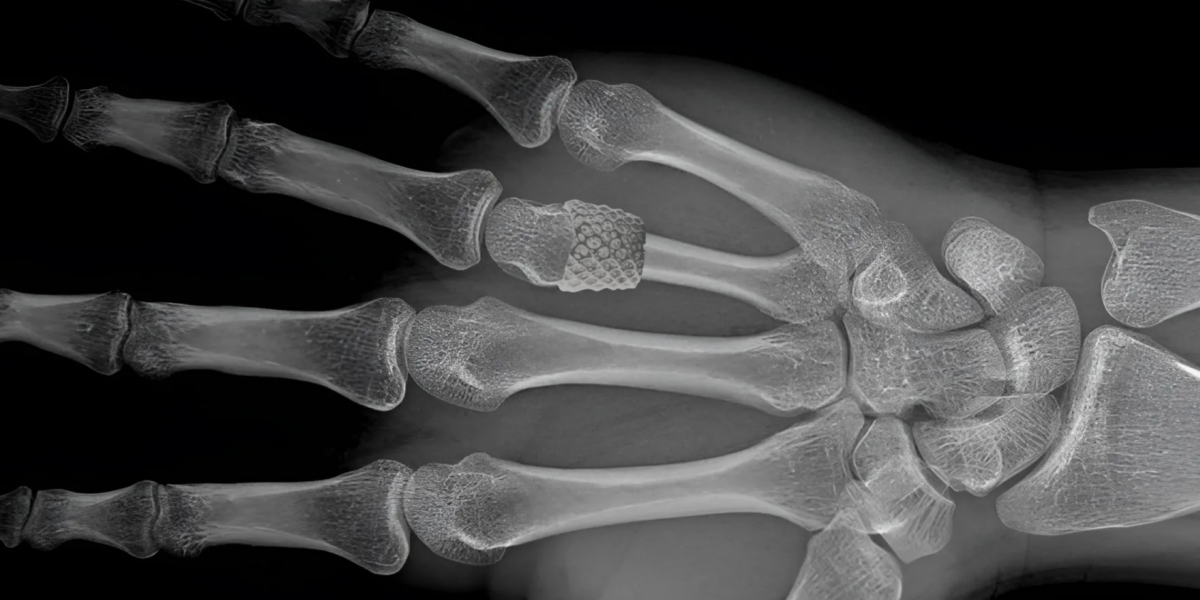
The ability to 3D print biomaterials has opened new possibilities for customized implants, tissue scaffolds, and prosthetics tailored to individual patients. Traditional implants are mass-produced in standard sizes, but new advancements allow for personalized designs that fit a patient’s anatomy perfectly.
In 2022, researchers successfully developed 3D-printed biodegradable scaffolds that provide temporary structural support while encouraging natural tissue growth. Over time, these scaffolds dissolve, leaving behind a fully regenerated tissue structure.
Even more groundbreaking, scientists in 2023 began working on printing functional skin grafts, designed to heal burns and wounds faster than conventional treatments. This method eliminates the need for donor skin, reducing both waiting times and the risk of immune rejection.
Looking ahead, the possibility of printing functional organ tissues—such as heart patches or artificial kidney cells—is becoming more tangible, bringing medicine closer to personalized organ regeneration.
Nanomaterials: The Next Frontier in Medical Implants
Nanotechnology is making medical implants smaller, smarter, and more efficient. In 2022, researchers introduced graphene-based neural implants, which offer a highly conductive, flexible interface for brain-computer communication. These implants could help restore movement in paralyzed patients or improve treatments for neurological disorders like Parkinson’s disease.
Another breakthrough in 2023 was the development of antibacterial nanocoatings, designed to prevent infections in medical implants. Traditional implants, such as hip replacements or pacemakers, pose a risk of infection, often requiring additional surgeries or long-term antibiotics. These new coatings actively kill bacteria on contact, significantly reducing the risk of complications.
The future of nanotechnology in healthcare could include implants that adapt in real-time, responding to infections, inflammation, or tissue growth. Imagine a smart pacemaker that adjusts its own functionality based on the body’s needs—this reality may be closer than we think.
A Future Built on Biomaterials
The last three years have been pivotal for biomaterials, with breakthroughs in dissolvable implants, self-healing materials, 3D printing, and nanotechnology redefining medical treatments. These innovations promise a future where implants disappear after healing, tissues regenerate naturally, and medical devices adapt to patient needs in real-time.
As these technologies continue to evolve, medicine is becoming less invasive, more precise, and entirely patient-centered. From faster wound healing to custom-designed implants and smarter medical devices, biomaterials are driving the next revolution in healthcare.
At Flaney Associates, we stay ahead of cutting-edge material innovations, supporting the development of next-generation healthcare solutions.
For more information or if you have any questions, please contact the author.